How to Dispute Emergency Room (ER) Bills & Insane Facility Fee Overcharges
You cut your finger while prepping dinner, or suddenly develop a high fever and chest tightness late on a Saturday night. Urgent care clinics are closed, so you head to the nearest Hospital Emergency Room.
You spend two hours in a waiting chair, receive a basic examination from an ER physician, get two stitches or a routine tetanus shot, and head home.
A month later, you open your mail and nearly faint: The total bill is $8,400.
When you inspect the breakdown, you find that the doctor’s actual service cost only $350. The remaining $8,050 is listed under a single, ominous line item: “Emergency Room Facility Fee” or “ER Level 5 Service.”
How can sitting in an emergency room for two hours cost as much as a used car?
Emergency room billing is one of the most predatory financial sectors in American healthcare. Hospitals use automated algorithm systems to inflate severity levels, charge absurd overhead fees, and push unsuspecting patients into financial crisis.
Here is your master step-by-step blueprint to auditing, challenging, and negotiating insane Emergency Room charges.
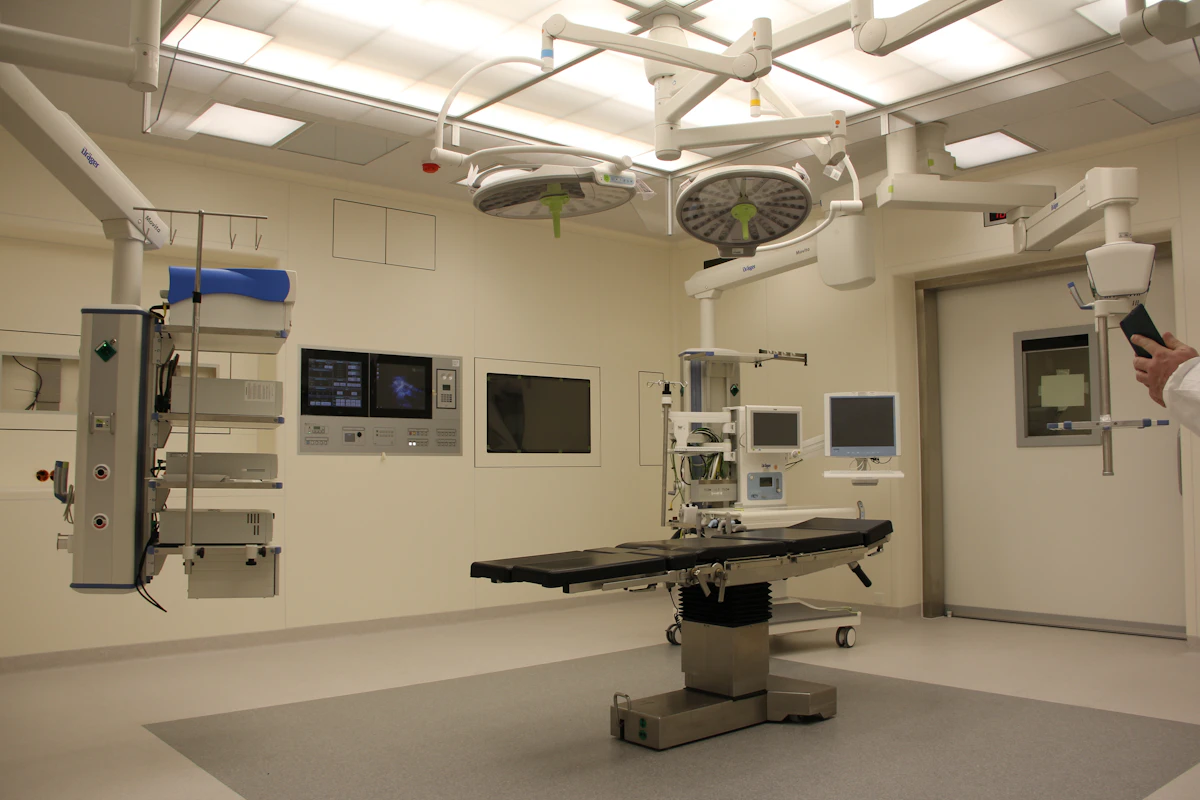
Anatomy of an ER Bill: Why Emergency Care Costs So Much
When you visit an Emergency Room, you do not receive a single unified charge. Instead, you receive two separate categories of fees:
1. Professional Fee (The Doctor’s Bill)
This covers the actual physician or physician assistant (PA) who evaluated you. It is billed using standard evaluation CPT codes (99281 through 99285).
2. Facility Fee (The Hospital’s Overhead Charge)
This is a baseline charge levied by the hospital simply for keeping its ER doors open, maintaining 24/7 trauma equipment, and paying support staff.
The facility fee alone can range from $1,500 to over $12,000 depending on the “severity level” assigned to your visit.
The Upcoding Trap: Decoding ER Evaluation Levels (CPT 99281 - 99285)
Both physician fees and facility fees are tiered from Level 1 to Level 5 based on medical complexity and resources utilized:
| Severity Level | CPT Code | Medical Complexity Description | Average Facility Fee |
|---|---|---|---|
| Level 1 | 99281 |
Minor problem (e.g., suture removal, minor rash check) | $200 – $600 |
| Level 2 | 99282 |
Low severity (e.g., simple bug bite, minor cut needing bandage) | $500 – $1,200 |
| Level 3 | 99283 |
Moderate severity (e.g., sprained ankle, uncomplicated flu, minor laceration) | $1,200 – $3,000 |
| Level 4 | 99284 |
High severity, no immediate threat (e.g., severe abdominal pain, high fever) | $3,000 – $6,000 |
| Level 5 | 99285 |
High severity, immediate life/function threat (e.g., chest pain, stroke symptoms, major trauma) | $6,000 – $15,000+ |
What Is “Upcoding”?
Upcoding occurs when a hospital assigns a Level 4 (99284) or Level 5 (99285) severity code to a patient who actually received Level 2 or Level 3 basic care.
Investigation studies reveal that over 60% of hospital ER visits are automatically coded as Level 4 or Level 5 by billing software algorithms regardless of how minor the treatment was, adding thousands of dollars in invalid charges to patient accounts.
💡 Suspect your ER visit was upcoded to a high severity level? Check whether your ER CPT codes match official regional Medicare baseline pricing.
👉 Audit Your ER Charges with the MedFair Fair Price Calculator
Federal Protections: The No Surprises Act & ER Care
If you received emergency care at an out-of-network hospital ER, federal law provides robust protections under the No Surprises Act:
- In-Network Rate Guarantee: You cannot be balance billed for out-of-network emergency care above your plan’s standard in-network cost-sharing limits (copay/coinsurance).
- No Prior Authorization Required: Insurance companies cannot deny emergency ER coverage because you failed to obtain pre-approval prior to seeking care.
- Ancillary Coverage: Out-of-network emergency room doctors, radiologists, or pathologists who treat you at the ER cannot send you separate surprise out-of-network bills.
If an out-of-network ER provider bills you directly for an unpaid balance beyond your standard copay, that bill is illegal under federal law.
Step-by-Step Guide: How to Audit and Dispute an ER Bill
If you open an inflated Emergency Room statement, follow this strategic four-step dispute playbook:
[Received Massive ER Bill] ──> [Do NOT Pay Immediately] │ ▼ [Request Itemized Statement + Triage Records] ──> [Audit CPT Severity Level] │ ▼ [Challenge Upcoding Errors] ──> [Negotiate Settlement via Medicare Baseline]
Step 1: Request Your ER Triage & Nursing Notes
Call the hospital’s medical records department and request a copy of your ER Triage Log, Nursing Flowsheets, and Physician Chart Notes.
Look for your initial Triage Score (ESI Level 1 to 5) recorded by the intake nurse when you arrived. If the intake nurse logged your condition as “ESI Level 3 - Urgent” but the billing department charged you for “Level 5 - Critical Care (99285)”, you have concrete written evidence of upcoding.
Step 2: Request an Itemized Bill with CPT Codes
Call hospital billing and insist on an Itemized Statement with 5-digit CPT codes.
Check line items for:
- Routine OTC Medication Markups: Being charged $80 for a single Tylenol or $150 for a standard saline bag.
- Duplicate Diagnostic Imaging: Billed twice for a single X-ray or CT scan read.
- Unbundled Supplies: Separate charges for routine IV catheters, bandages, or pulse oximeter finger clips (which are legally bundled into the facility fee).
📊 Need regional benchmark pricing to dispute inflated facility fees? Compare what your hospital billed against official regional Medicare allowable data.
Step 3: Submit a Formal Written Dispute Letter
Send a physical dispute letter via Certified Mail to the hospital’s patient accounts supervisor and billing compliance office.
Written Negotiation Strategy Text:
“Re: Formal Billing Dispute for Account #[Account Number] - CPT Code 99285 UpcodingI am formally disputing the facility fee charged for my ER visit on [Date]. My account was billed under CPT Code 99285 (Level 5 Emergency Care).
According to my official medical charts, I received basic evaluation, stable vital monitoring, and routine treatment. Billing a Level 5 critical severity code constitutes misrepresentation under CMS coding guidelines.
Furthermore, the billed facility fee of $[Billed Amount] exceeds regional Medicare market rates by over 500%. I request an immediate administrative review to recode this visit to Level 3 (
99283) and issue a revised statement.”
Step 4: Offer a Cash Settlement Based on Medicare Rates
If the hospital billing department refuses to change the coding tier, offer a lump-sum settlement based on 150% of the Medicare allowable rate for that procedure.
Hospitals know that collecting ER debt from uninsured or high-deductible patients is difficult. Offering a realistic cash settlement (e.g., $800 cash today to settle a $4,500 facility charge) is frequently accepted by billing managers authorized to settle delinquent accounts.
Summary Checklist: ER Bill Reduction Playbook
| Phase | Action Item | Target Objective |
|---|---|---|
| Audit | Pull Triage & Chart Records | Verify intake ESI severity score matches billed CPT code (99281–99285). |
| Audit | Request Itemized Statement | Eliminate unbundled supplies, $80 Tylenol pills, and duplicate imaging fees. |
| Rights | Check No Surprises Act | Ensure out-of-network ER care was capped at standard in-network copay limits. |
| Dispute | Challenge Level 5 Upcoding | Submit written dispute pointing out mismatch between care rendered and billed severity. |
| Settle | Offer Medicare Baseline Cash | Negotiate lump-sum settlement at 150% of Medicare benchmark or request 0% payment plan. |
Take Control of Overpriced Emergency Bills with MedFair
Surviving a medical emergency shouldn’t mean facing financial ruin from opaque, inflated hospital billing practices.
MedFair puts medical billing transparency directly in your hands. Upload your itemized ER bills and medical charts to instantly cross-examine CPT severity codes against CMS guidelines, detect upcoding errors, compare facility fees against regional benchmarks, and generate pre-formatted legal dispute letters in minutes.
👉 Staring at an outrageous Emergency Room bill?
[Use the MedFair Medical Bill Calculator Today](https://medf